
Location and acreage
Usable acreage, parcel shape, setbacks, neighboring uses, and proximity to electric demand all affect the opportunity.
For landowners
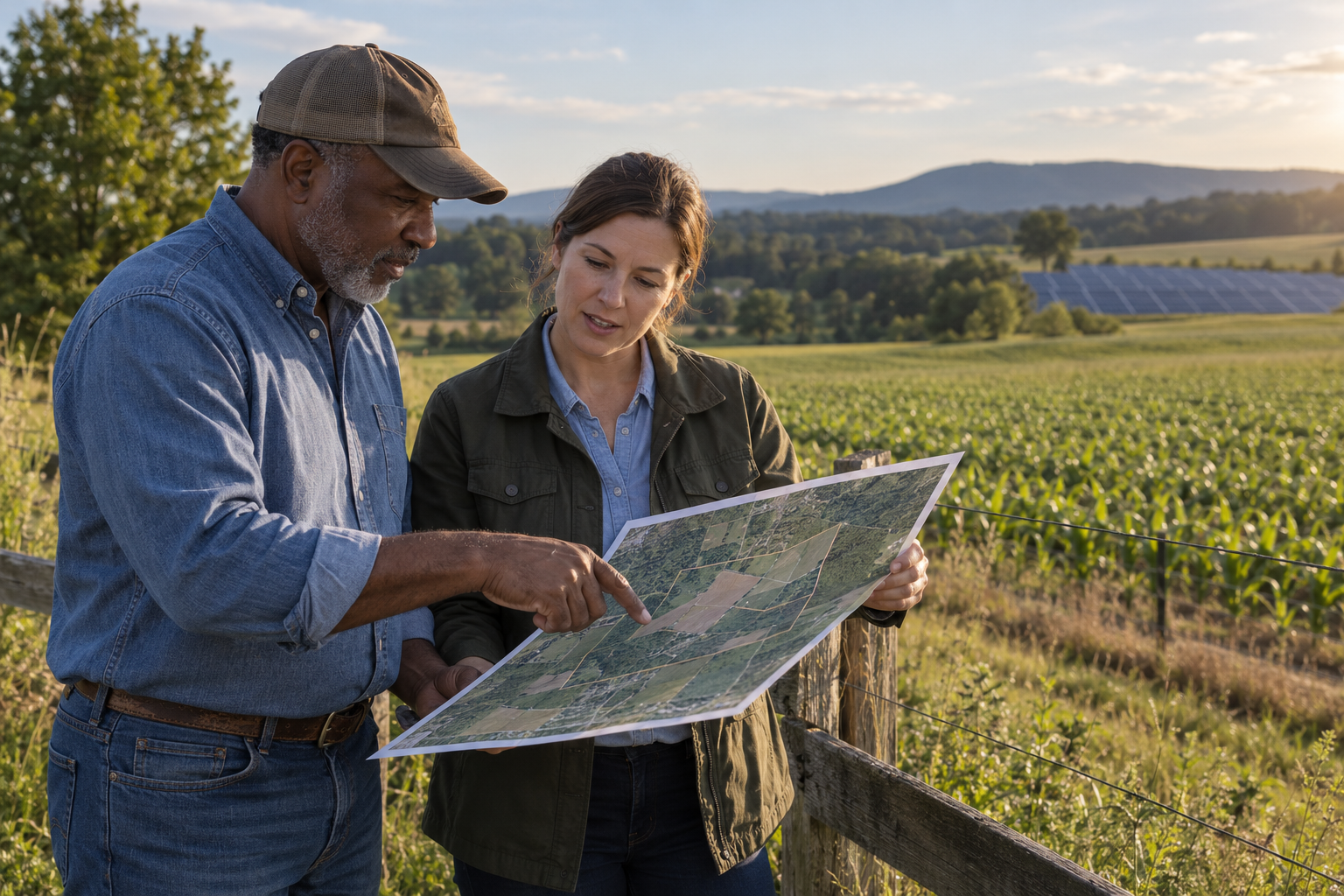
DFREL helps property owners understand the first questions developers ask—before you commit your land, sign an agreement, or spend money on studies.
Start with the property facts
Solar and energy development depends on the land, the grid, local approvals, and a viable commercial path. DFREL begins with a desktop assessment of public and owner-provided information to identify obvious strengths, constraints, and questions for deeper review.
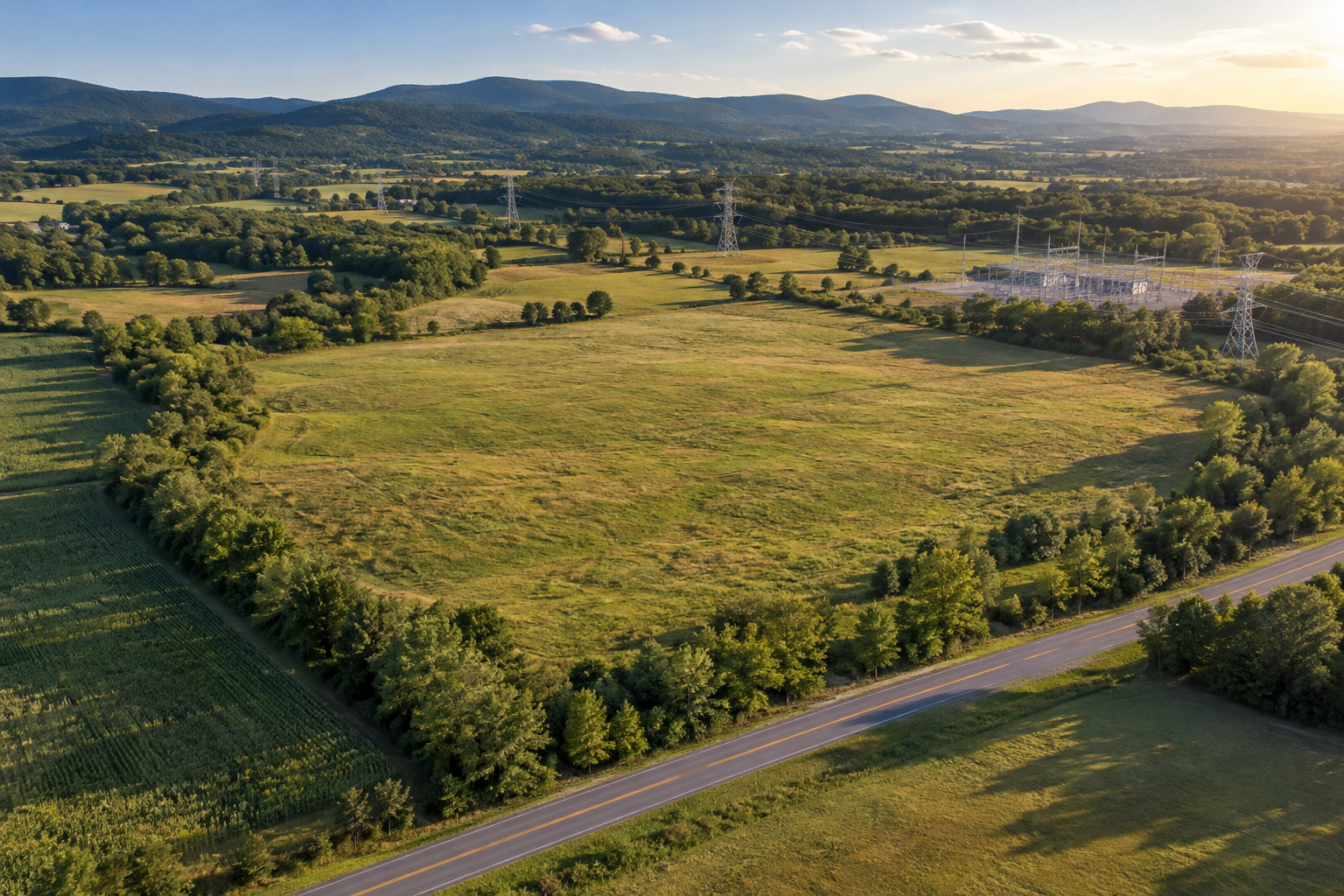
Open acreage may look promising, but access, usable terrain, grid proximity, environmental constraints, and local approvals determine whether a project deserves deeper study.
Interactive planning tool
Explore how acreage, an assumed lease rate, contract term, and annual escalation may affect estimated long-term land revenue.
Free landowner simulator
Enter basic property information to open the simulator. Your information stays in your browser and is not submitted to DFREL through this calculator.
Solar site criteria
No single item determines suitability. Developers and utilities apply project-specific criteria, and findings can change after interconnection, environmental, engineering, title, or permitting review.
Usable acreage, parcel shape, setbacks, neighboring uses, and proximity to electric demand all affect the opportunity.
Transmission lines, distribution lines, substations, voltage, available capacity, and interconnection cost can be decisive.
Flatter, open ground is generally easier to evaluate. Slope, orientation, tree cover, and shading affect usable area and cost.
Wetlands, ponds, floodplains, streams, soils, habitat, cultural resources, and agricultural considerations require careful review.
Local plans, zoning, special-use requirements, setbacks, screening, and community priorities shape whether a project can advance.
Road frontage, construction access, easements, mortgages, mineral rights, and title conditions can affect site control.
They can require different acreage, grid connections, designs, approvals, and business structures. Agrivoltaics may combine energy generation with compatible agricultural activity, but it still requires site-specific design and feasibility review.
Land can remain productive
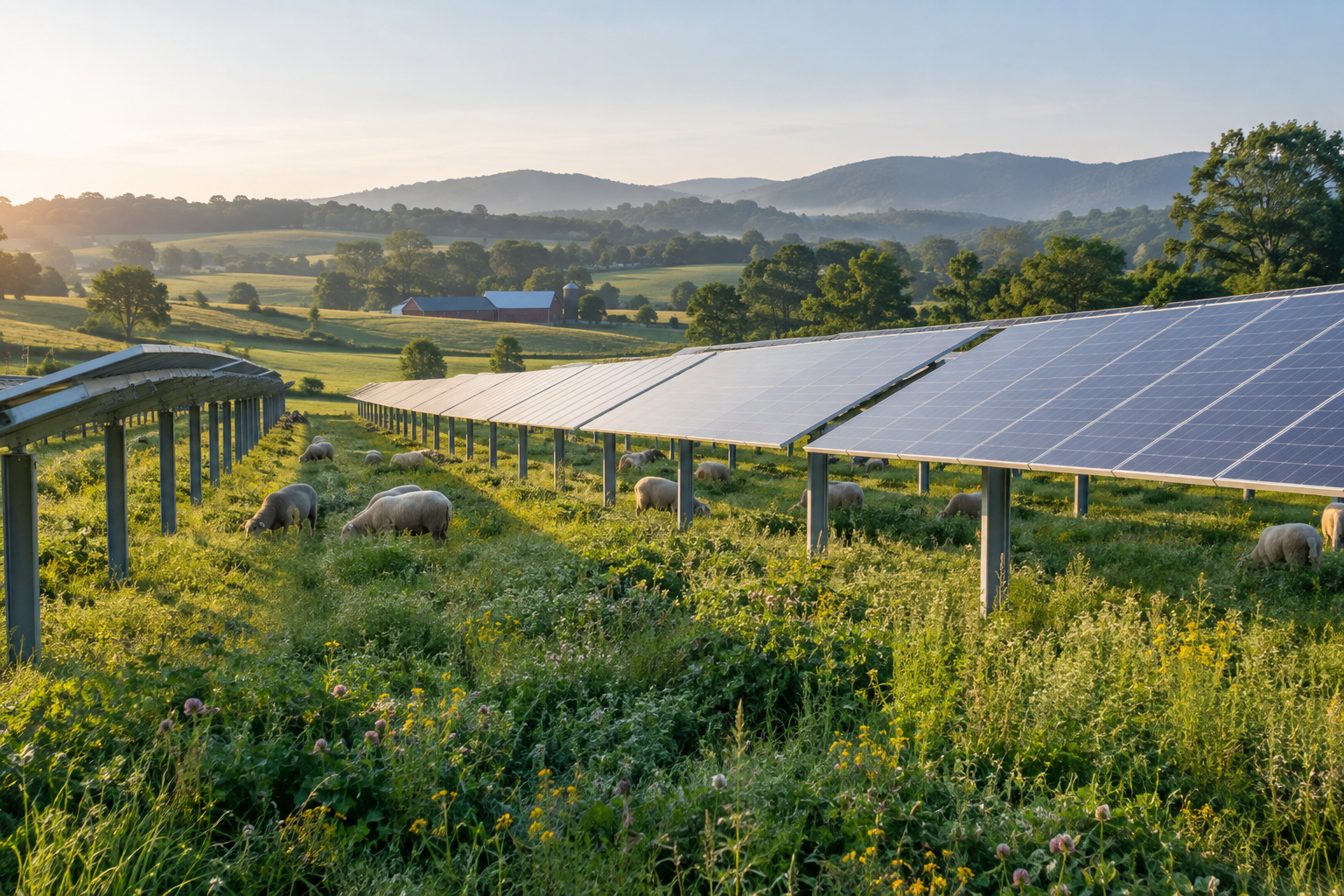
Agrivoltaics can pair compatible farming, grazing, or pollinator activity with solar generation. It is not appropriate for every property, crop, or project, but it gives some landowners another way to evaluate long-term land use.
Learn how agrivoltaics is evaluated Illustrative image—not an approved or completed DFREL project.Before signing an agreement
Option and lease documents may control the property for years. Owners should understand the rights being granted, when payments begin, what studies and access are allowed, and what happens if the project does not proceed.
DFREL provides real-estate and land-services support. DFREL does not provide legal, tax, engineering, environmental, interconnection, or financial advice. Landowners should retain qualified advisors before signing any agreement.
Preliminary screening
We will use the information you provide and available public sources to conduct a quick initial assessment. If the property shows potential, DFREL will contact you to discuss the findings and schedule a visit for an on-site assessment.